

Welcome to our patient resource section! Here, you will find valuable information and resources to help you navigate your dental care. From answers to some of the most common questions our patients ask, to post op instructions to common procedures, our goal is to empower you with the knowledge you need to make informed decisions with your oral health . If you don’t find the answer to your question here, please don’t hesitate to reach out to us. We’re always happy to help.
These are the most common dental questions we’ve heard:
A cavity, or tooth decay, is a small hole in the tooth that develops because of acid. This acid comes from bacteria that lives in the plaque on your teeth. This bacteria loves sugar, and when you eat sugar, so too does the bacteria. And it releases acid as a by-product (bacteria poop). That is why it is important to brush away the plaque and avoid too much sugar in your diet. And it is really important to get cavities fixed to prevent them from progressing.
Dental decay, also known as cavities, is a common issue that can lead to pain, discomfort, and even tooth loss if left untreated. While it’s normal for teeth to wear down over time, there are steps you can take to prevent or minimize the development of cavities. Here are some of the best ways to avoid dental decay:
By following these simple steps, you can help to keep your teeth healthy and strong, and avoid the pain and discomfort of dental decay. Remember to brush and floss regularly, use mouthwash, limit sugary and acidic foods and drinks, chew sugar-free gum, and visit your dentist regularly for checkups and cleanings. With a little bit of effort, you can enjoy a healthy and beautiful smile for years to come.
There are several things you can do to help get rid of bad breath (also known as halitosis):
If you have tried these strategies and your bad breath persists, it is a good idea to see a dental professional to determine the cause and receive appropriate treatment.
It depends on the mouthwash, and what you are using it for. A mouthwash can never replace mechanically cleaning away plaque and debris by brushing and flossing. But they can freshen your breath, and certain mouth rinses with fluoride can strengthen your teeth. Just avoid any alcohol containing mouth rinse, which can be harsh and damaging to soft tissue.
A soft bristle toothbrush, or an electric toothbrush works well. Medium or hard bristles can damage the teeth. Any non-whitening fluoridated toothpaste is great. Whitening toothpastes can be more abrasive and that can damage enamel in the long run. If you have sensitive teeth, use any toothpaste that is for sensitivity.
Digital x-rays use much less radiation than film x-rays (90% less), and provide the dentist with high resolution images that are needed to see decay, infections, bone loss, and oral cancers that would otherwise be undetectable. 4 dental bitewings produce. A digital X-ray requires less radiation to capture a high-resolution image than the traditional X-rays used a few decades ago. Depending on the type of film, equipment, and image being taken, it may be as much as a 90% reduction in exposure! As such, it’s safe to say that today’s dental X-rays are extremely safe. Four bitewings (typical during a recall exam) is about 0.005 mSv (millisieverts), which is less than the daily dose of radiation people get in daily life.
The Canadian Dental Association (CDA) recommends taking your infant to the dentist within 6 months of the eruption of their first tooth or before their first birthday. This early visit can help to establish good oral hygiene habits and allow the dentist to identify any potential issues or concerns.
After the initial visit, it is generally recommended that children visit the dentist every six months for regular checkups and cleanings. This can help to prevent dental problems and keep teeth and gums healthy.
If your child is experiencing dental pain, has a toothache, or has injured their teeth, it is important to see a dentist as soon as possible. In these cases, the dentist may need to provide treatment to alleviate pain and prevent further damage.
It is also a good idea to see a dentist if your child has difficulty biting, chewing, or swallowing, or if they have any other concerns or issues with their teeth or mouth. By establishing good oral hygiene habits and visiting the dentist regularly, you can help your child to enjoy good oral health throughout their life.
Non nutritive sucking is a normal way for babies to self sooth. They generally find less of a need to do this by age 2-3. If they are still steadfast on this habit beyond that age, pacifier use is better than thumb sucking, as it is an easier behavior to control. Try to reduce this habit by age 5-6 at the latest, because this is when the adult teeth start to come in, and this is when pacifier use can have the greatest effects on dental development and jaw growth.
If you are having difficulty getting your child to give up their pacifier, it may be helpful to try gradually reducing the amount of time they use it, or offering alternative comfort items like a stuffed animal or blanket. You can also try distracting them with other activities or offering positive reinforcement for not using the pacifier. It can be helpful to involve the child in the process and explain that they are growing up and don’t need the pacifier anymore.
Many children and even toddlers grind their teeth occasionally. Unfortunately there is nothing much we can do. Since children are still growing, we cannot make them a nightguard as that would restrict growth in their jaw and teeth. The good news is that this is normal and will likely pass. As long as they are not in pain or complaining of discomfort.
Follow these instructions CAREFULLY to ensure the successful healing of the extracted area.
DURING THE FIRST 24 HOURS
It is important that a blood clot forms on the extraction site to stop bleeding, reduce pain, and speed healing. To protect the clot and avoid the pain of dry socket:
TO CONTROL DISCOMFORT, take pain medication before the anaesthetic has worn off or as recommended.
TO KEEP SWELLING TO A MINIMUM, use an ice bag over the area, 20 minutes on and 20 minutes off.
WHEN THE NUMBNESS HAS WORN OFF COMPLETELY, drink lots of fluids and eat only soft nutritious foods chewing on the opposite side.
AFTER THE FIRST 24 HOURS
WHEN TO CALL US
It is normal to experience some discomfort for several days after tooth extraction, but call us right away if you have:
Some sensitivity after a root canal is normal. You can take ibuprofen or acetaminophen if needed. Root canal treated teeth are typically much weaker and more brittle than vital teeth, and are prone to breaking, so it is best to avoid chewing on that side until the tooth is protected with a crown.

If you are frozen after a crown appointment, take care not to eat anything that requires chewing, as you may bite your tongue or lip. Avoid hot foods as you may burn your soft tissue. Wait for the freezing to wear off, or stick to things like smoothies. Temporary crowns are cemented with temporary cement, and therefore can come off with strong pulling forces. Avoid eating sticky foods until you get your permanent crown. It is normal to have some sensitivity to cold and chewing for several days after a crown prep or insert appointment. This sensitivity should be mild, and get better with time. If the crown feels “high”, don’t hesitate to call us so that we can adjust the bite. You can usually tell when a crown is high when it feels like you are biting on a seed or pebble. When in doubt, we are here to answer your questions so please feel free to call us.
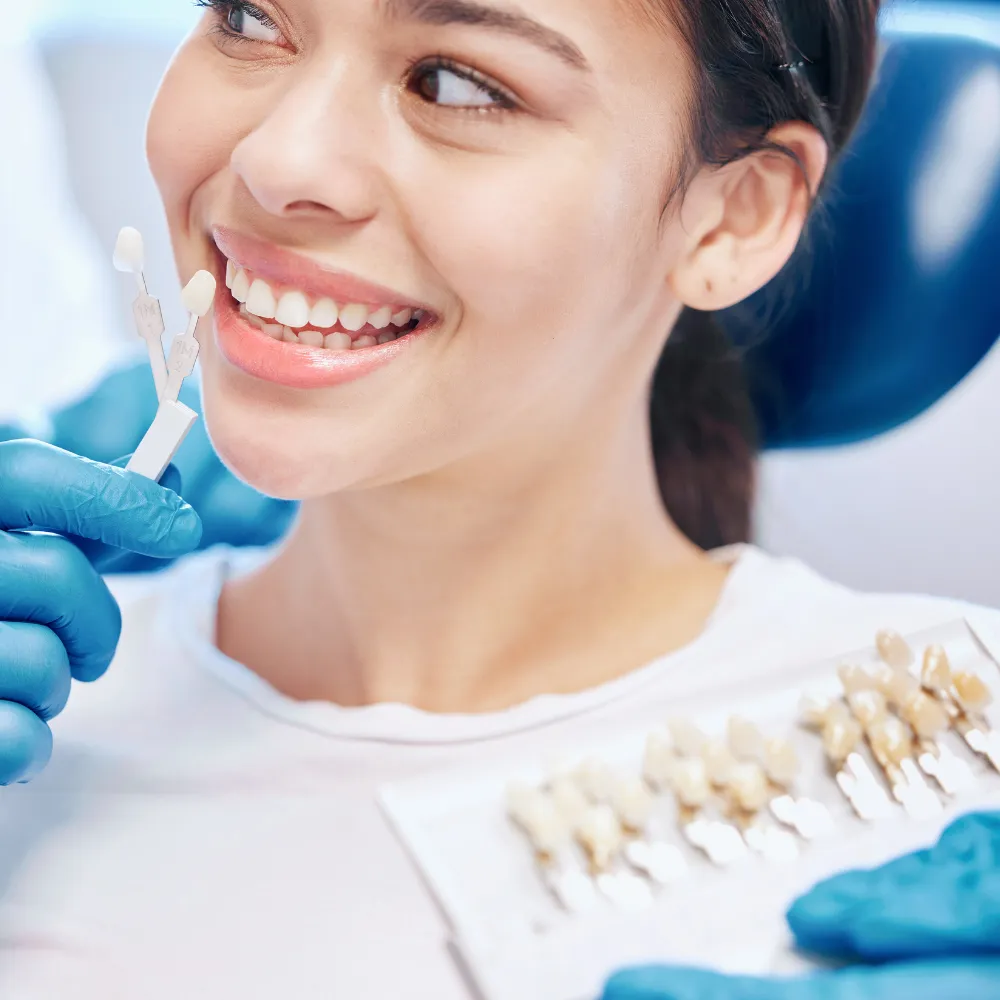
If you are frozen after a dental filling, take care not to eat anything that requires chewing, as you may bite your tongue or lip. Avoid hot foods as you may burn your soft tissue. Wait for the freezing to wear off, or stick to things like smoothies. It is normal to have some sensitivity to cold and chewing for several days after a dental filling. This sensitivity should be mild, and get better with time. If the filling feels “high”, don’t hesitate to call us so that we can adjust the bite. You can usually tell when a filling is high when it feels like you are biting on a seed or pebble. When in doubt, we are here to answer your questions so please feel free to call us.
Avoid doing anything that manipulates the injection site for at least 24 hours. Do not go for a facial, or massage the muscles that were injected. Bruising is a potential side effect. If you have any questions do not hesitate to call us.
Ready To Smile
Outstanding care, with a
personal touch
Get In Touch
Find Us
Hours
Monday: Closed
Tuesday: 9am – 7pm
Wednesday: 9am – 5pm
Thursday: 9am – 5pm
Friday: 9am – 4pm
Saturday (alternating): 9am – 2pm
Sunday: Closed
© Copyright 2026 | All Rights Reserved